
Understanding how babies learn, grow, and connect.
We study how early experiences shape infant learning and brain development — in real homes across NYC and online, with diverse families often missing from developmental science.

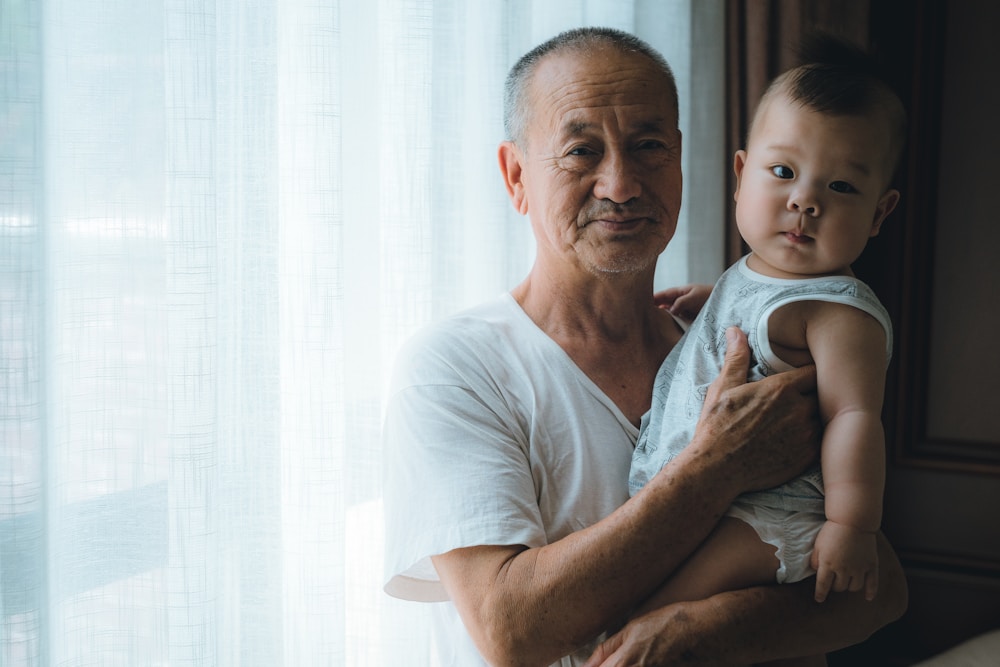

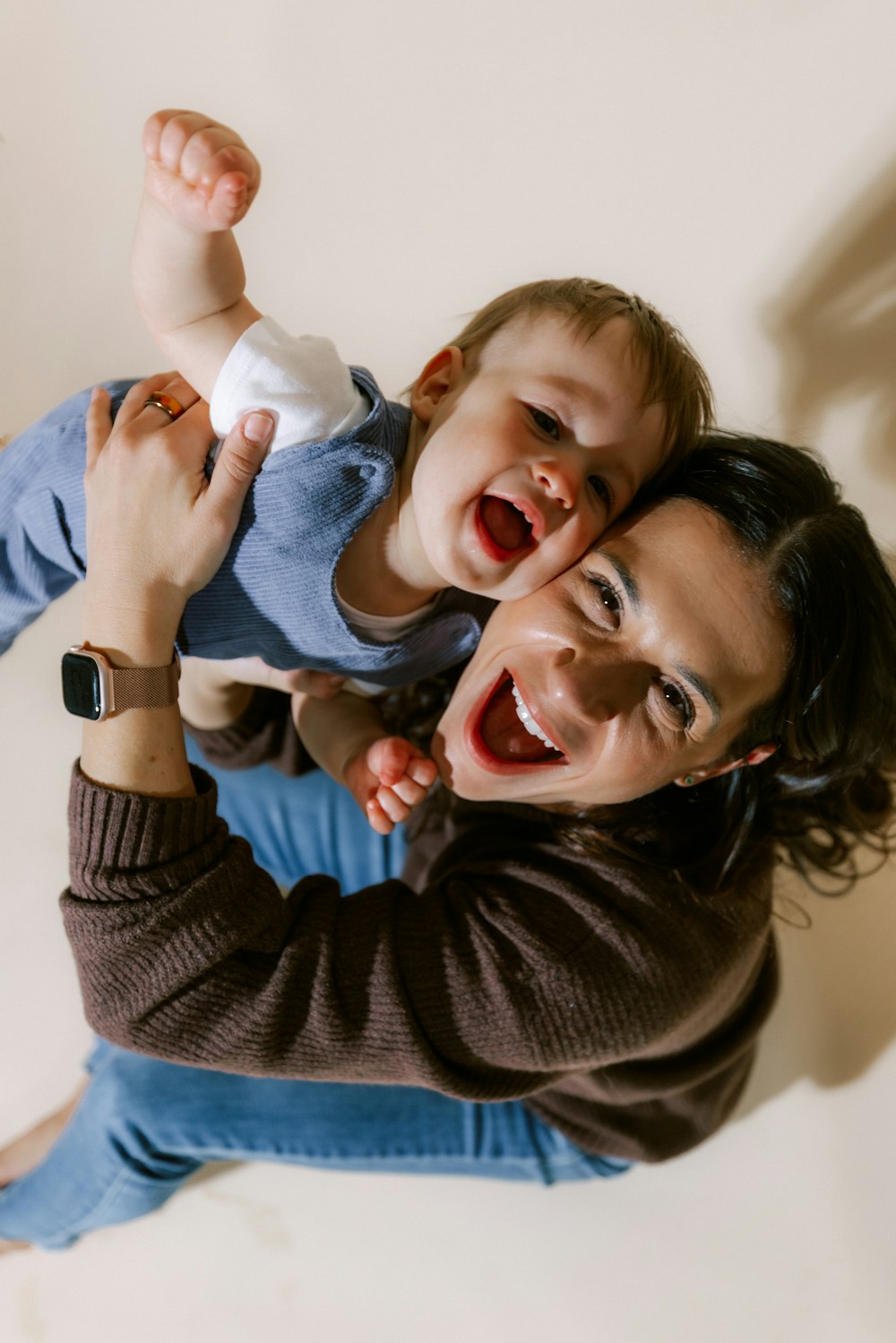
Why families participate
Three things we promise every family who joins our research.
Research in your space
Most of our studies happen in your home or online. No need to travel to a lab — we come to where your family is comfortable.
You're a partner, not a subject
We design every study so you feel respected, informed, and valued. Your time matters, and so does your experience.
Learn about your child
Families are compensated for their time and receive insights about how their baby is learning and growing.
 Featured study · Now recruiting
ORCA: research from your living room
ORCA — Online Remote Child Assessment — invites families onto a short Zoom call where babies watch playful videos on a phone, tablet, or laptop. Parents fill out a few quick surveys, and that's it. We're learning how everyday experiences shape infant development, without families ever leaving home.
Who: Pregnant parents and families with babies 0–4 months old.
More current studies
Each study answers a different question about how babies grow up in real families.


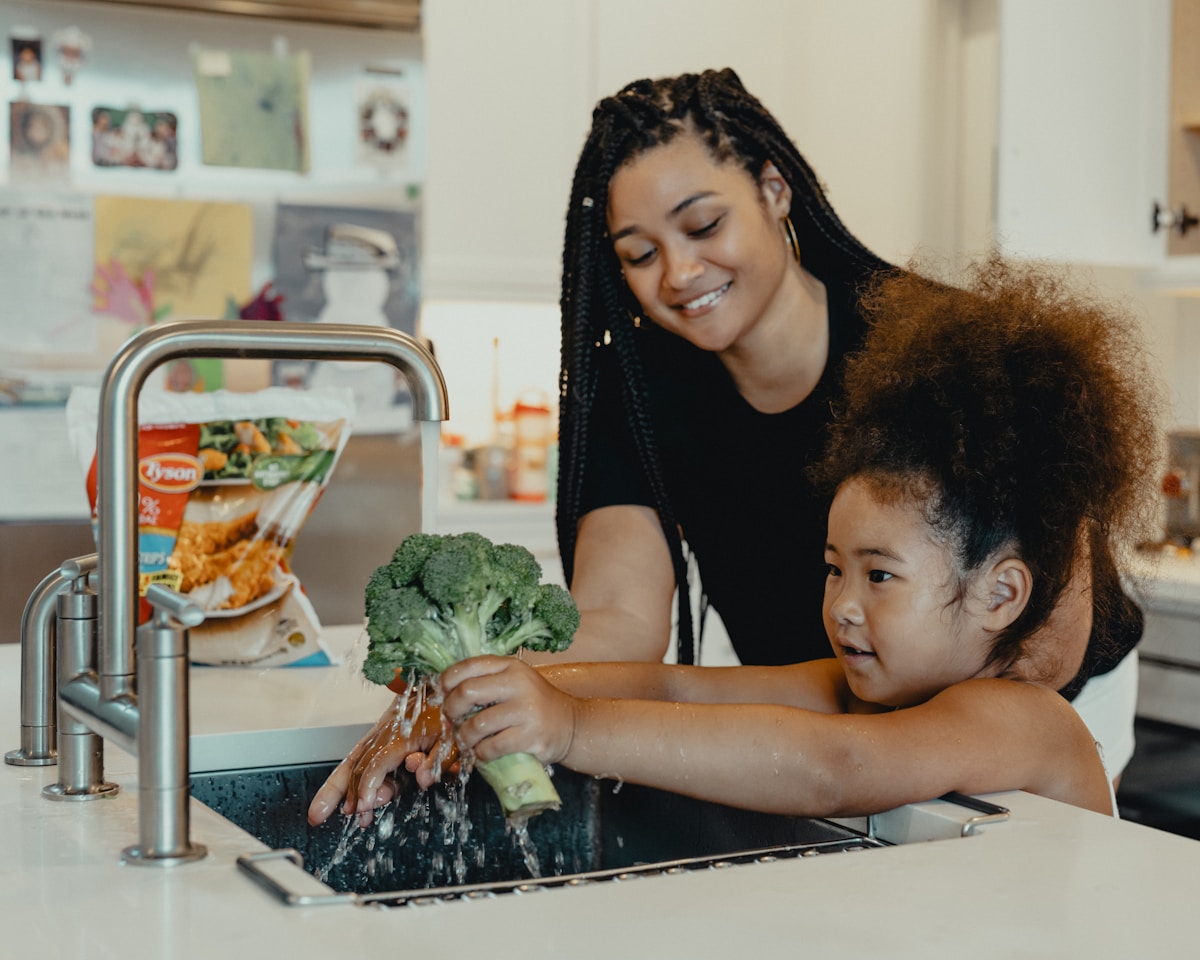
"Working with the Brito Lab has been such a positive experience for our family. The team is warm, professional, and made us feel like real partners in their research — not just subjects."
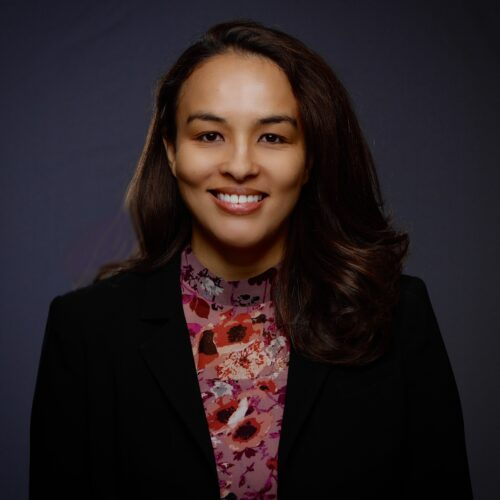
Meet Dr. Natalie Brito
Dr. Brito is a developmental psychologist and Associate Professor at Columbia University. Her research explores how social and cultural contexts shape brain and behavioral development in the first years of life — with the goal of helping caregivers create environments where babies thrive.
- · Columbia University, Department of Psychology
- · APS Rising Star Award
- · APA Boyd McCandless Award
- · CIFAR Global Scholar
Ready to participate?
Two minutes to sign up. We'll match your family with a study that fits.